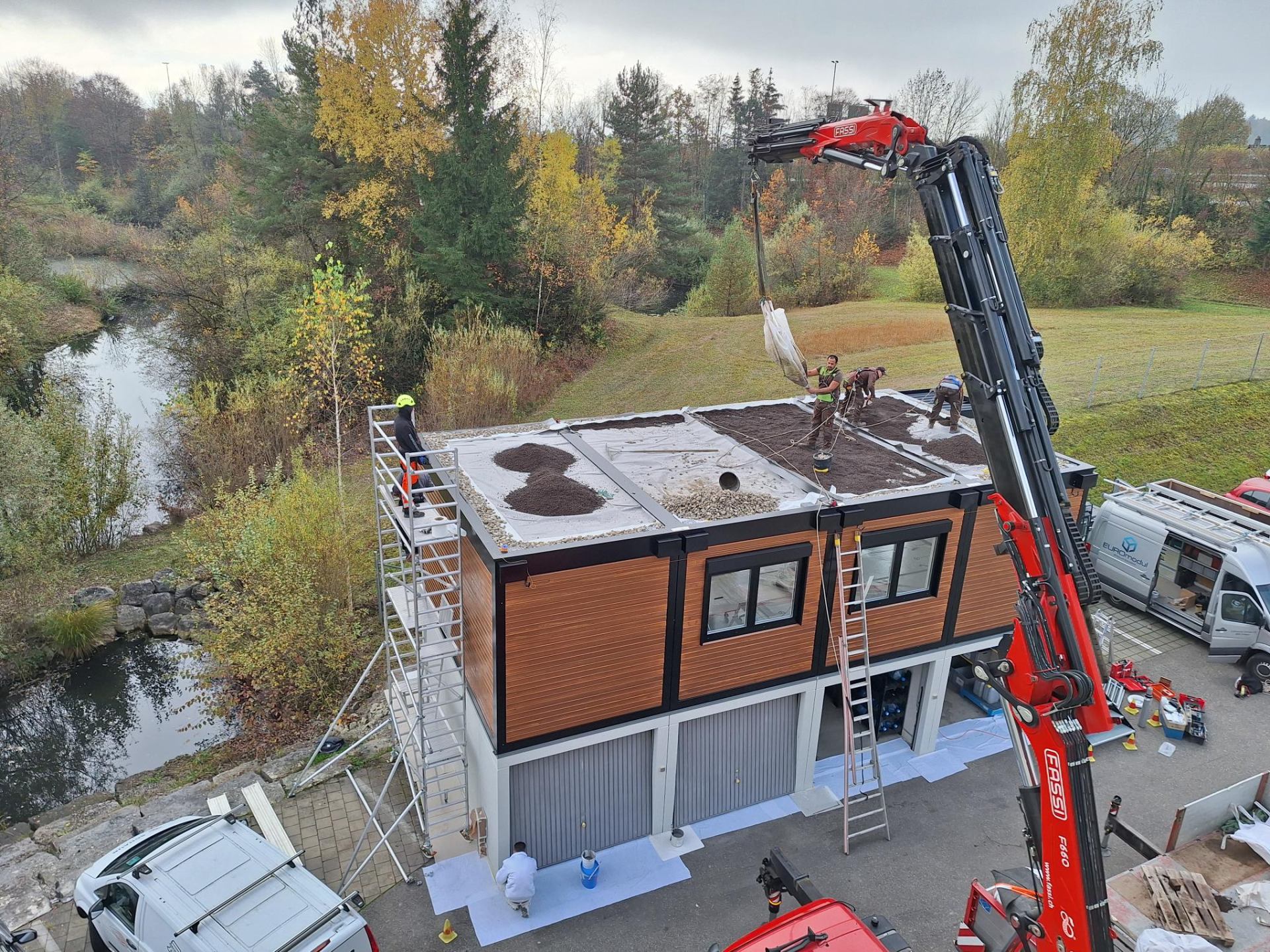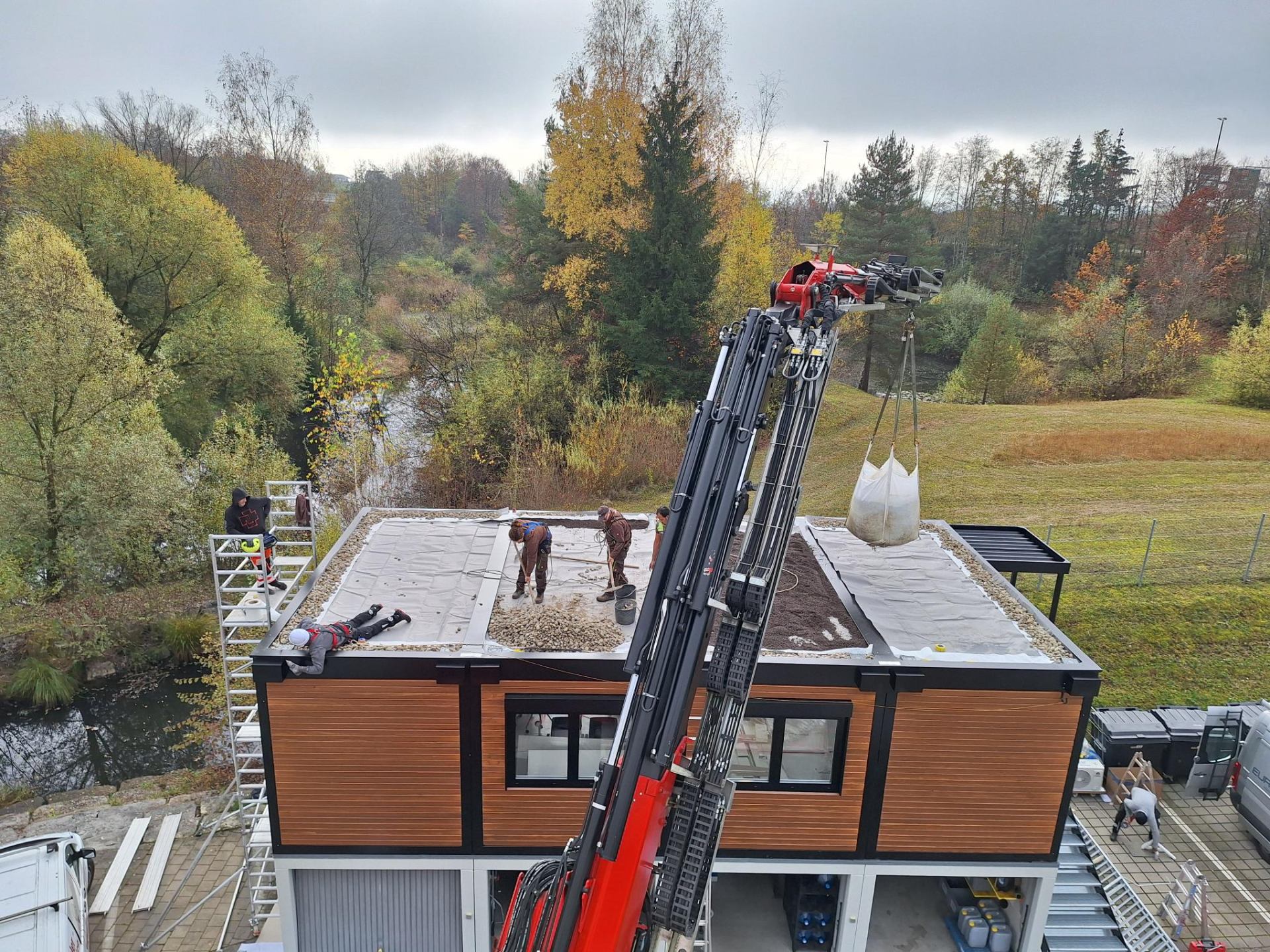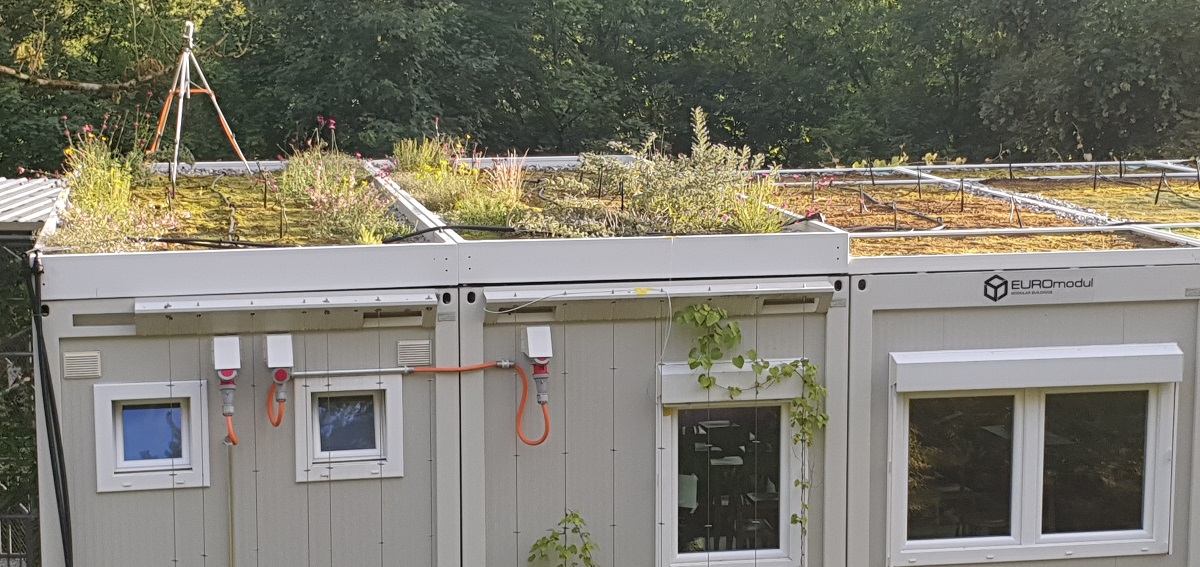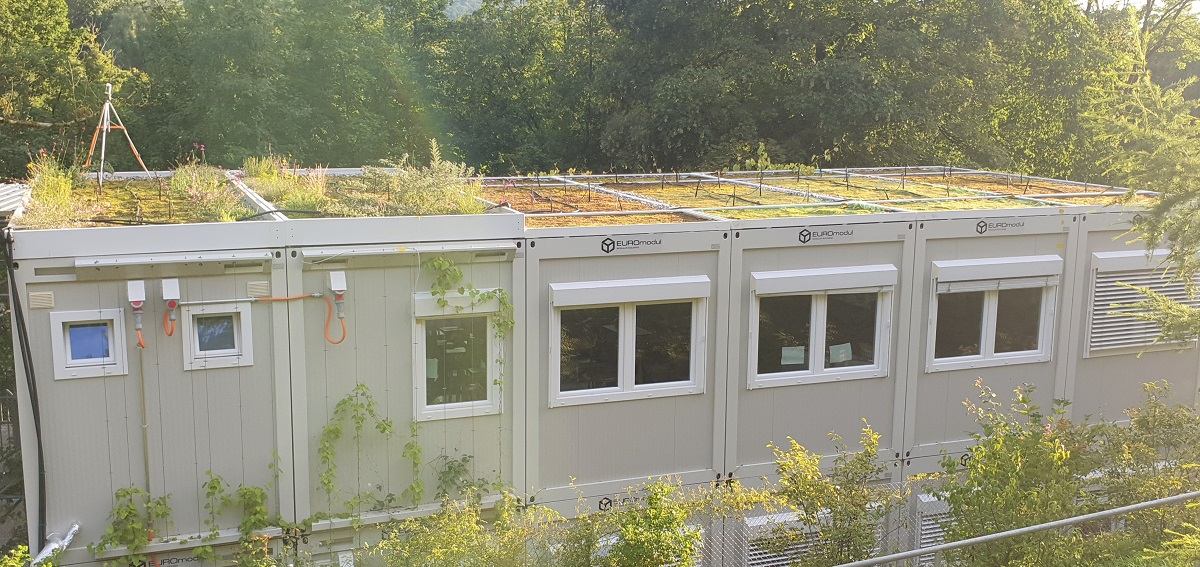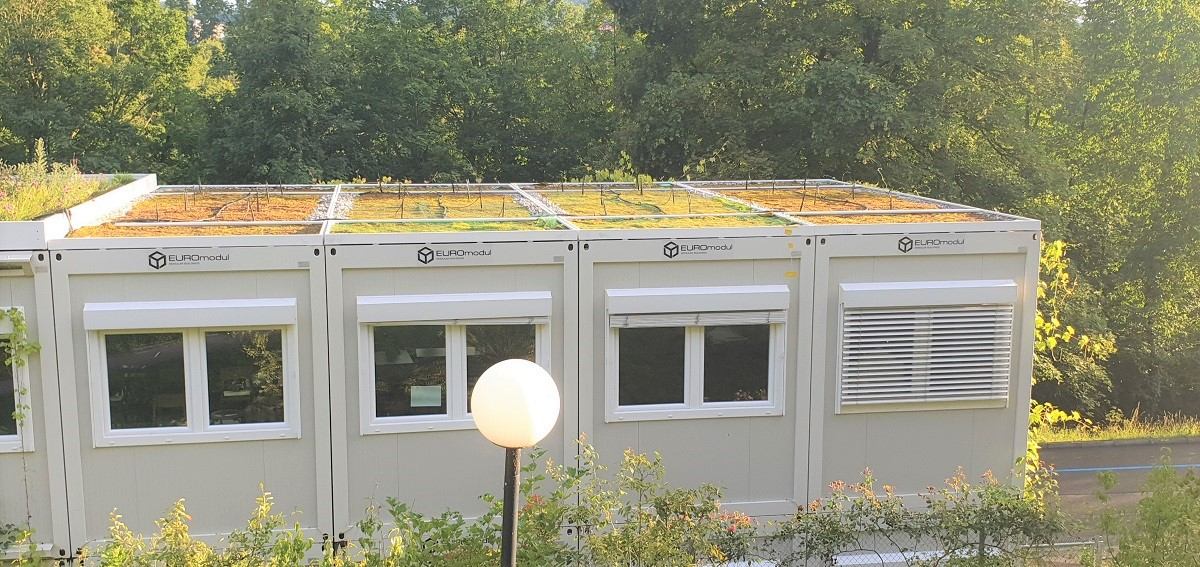

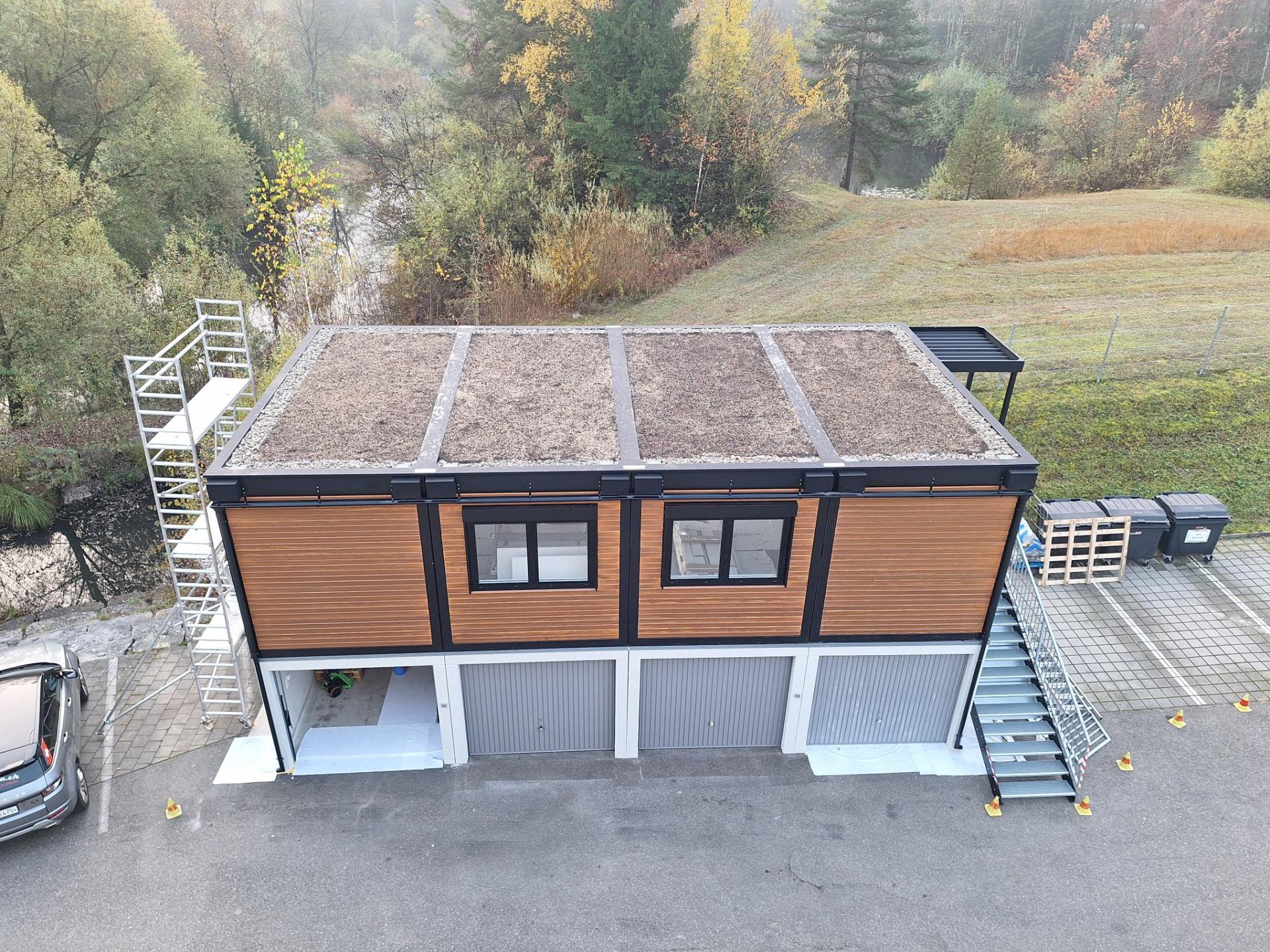
Green roofs (living roofs) represent an innovative and environmentally conscious construction method that transforms traditional roof surfaces into functional green oases. In addition to aesthetically transforming the building, they serve as a key element of sustainable architecture that directly reduces the negative impact of urbanization on the environment.
A green roof is not merely an aesthetic addition, but has multiple technical, environmental and economic functions:
Stormwater management: Green roofs retain up to 70% – 90% of the rainfall that falls on them, significantly reducing the load on urban drainage systems and lowering the risk of flooding during heavy downpours.
Excellent thermal and sound insulation: In summer, they act as a natural shield against the sun and reduce the need for air conditioning, while in winter they prevent heat loss. In addition, the layers of substrate and plants drastically reduce noise levels from the surrounding environment.
Reduction of the "urban heat island” effect: Traditional roofs absorb and radiate heat, increasing temperatures in cities. Through the process of plant transpiration, green roofs naturally cool the surrounding air.
Extension of roof lifespan: The vegetation layer protects the waterproofing membrane from direct UV radiation, mechanical damage and extreme temperature fluctuations, effectively doubling the lifespan of the roof.
Preservation of biodiversity: By transforming "dead” space into a living surface, roofs become a refuge for bees, butterflies, birds and other beneficial urban pollinators.
Air purification: Plants on the roof actively filter dust and smog particles from the air and absorb carbon dioxide (CO₂), producing oxygen.
An investment in a green roof is an investment in the energy efficiency of the building and a healthier future for the local community. Whether it is an extensive roof (low vegetation, minimal maintenance) or an intensive roof (roof gardens intended for people to use), these solutions bring nature back to where we need it most – into the heart of our cities.